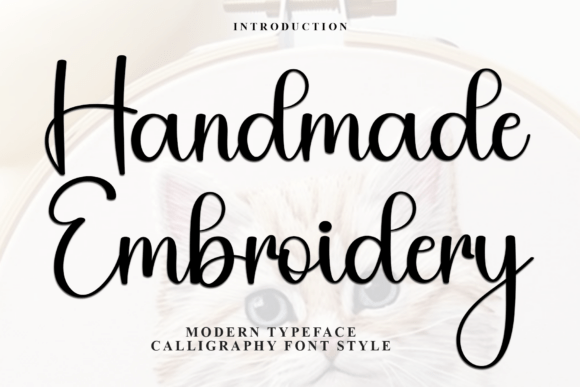
Handmade Embroidery: A Friendly Font for Creative Projects
There’s a certain magic in things made by hand. A slight imperfection, a personal touch, a warmth that machine-made items often lack. The Handmade Embroidery typeface captures this essence beautifully. It’s not just a set of letters; it’s a feeling. Its round, playful strokes and charming, hand-drawn aesthetic create an immediate sense of approachability and creativity. Think of the cozy, inviting look of a stitched sampler or the relaxed vibe of a friendly note—that’s the personality this font brings to the table. It’s a casual and creative font designed for projects where warmth and personality are the priority.
Where This Handmade Font Truly Shines
Knowing a font’s personality is one thing; understanding its ideal playground is another. The Handmade Embroidery typeface excels in environments that value connection over corporate formality. Its visual character makes it a versatile display font for headlines and short bursts of text where you want to inject a dose of friendliness. For brand identity projects, consider it for artisan bakeries, boutique craft shops, yoga studios, or any small business that wants to emphasize a personal, human touch. It communicates that your brand is approachable, creative, and cares about the details.
In the realm of marketing and social media graphics, this font is a powerhouse for engagement. It can make Instagram posts feel more personal, Pinterest pins more inviting, and promotional graphics for workshops or local events feel genuinely welcoming. For publishing and editorial design, it works wonderfully for chapter titles in a lifestyle book, pull quotes in a blog post about DIY projects, or the masthead of a craft-themed newsletter. Even in packaging design, a touch of Handmade Embroidery on a label for homemade jam or artisan soap can tell a story of care and craftsmanship before the product is even opened.
Making It Work: Practical Tips for Designers and Creators
A great creative font is only as good as its implementation. Here’s how to use Handmade Embroidery effectively in your projects. First, consider readability and visual hierarchy. This is a display font, meaning it’s crafted for impact in larger sizes. It’s perfect for a headline, a logo, or a call-to-action button, but you wouldn’t set an entire blog post in it. Pair it with a clean, highly legible sans serif font or a classic serif font for body copy. This contrast ensures your message is both eye-catching and easy to read, establishing a clear visual hierarchy that guides the viewer’s eye.
Evaluating project fit is crucial. Ask yourself: does the tone of my project align with this font’s personality? A legal document or a financial report would be a poor match. But a recipe card, a wedding invitation, a podcast cover, or a community board? That’s where it thrives. Before committing, always test your font pairings. See how the playful curves of Handmade Embroidery interact with the geometric stability of a sans serif like Montserrat or the elegant lines of a serif like Lora. The goal is harmony, not competition.
As a premium font, it’s important to review what’s included. Check for multiple styles, like regular and bold, and explore the full range of glyphs. This font comes with standard PUA Encoded glyphs, which is a technical way of saying all the characters are easily accessible in popular design applications like Adobe Photoshop, Illustrator, Canva, and CorelDRAW. This makes it a practical design asset for your workflow. Finally, understand the commercial licensing. For entrepreneurs and small business owners using it on products for sale or in client work, ensure you have the correct license. This is a mark of professionalism and protects your growing brand.
Ultimately, Handmade Embroidery is more than just another handwritten font. It’s a tool for infusing digital and print work with a human-centric, creative spirit. By thoughtfully applying its unique character, you can create designs that don’t just look good but feel genuinely connected to your audience. It’s a small asset that can make a significant difference in how your project is perceived and remembered.